Homeowners Insurance and Water Damage in Foster Estates
You walked into a wet basement, a soaked ceiling, or a kitchen with three inches of standing water, and the first thought after panic is money. Will your homeowners policy actually pay for this, or are you about to drain savings on a problem that started in a wall you cannot see? In Foster Estates, that question has a complicated answer, and the wrong move in the first 24 hours can be the difference between a covered claim and a denied one.
At Foster Estates Water Restoration, we have walked thousands of Foster Estates homeowners through this exact moment since 2018. We are IICRC certified, BBB A+ rated, and we work with every major carrier in central Indiana. We also tell you the truth: some losses are covered, some are not, and some get denied because of how the homeowner documented (or failed to document) the damage. If we cannot help you file a strong claim, we will tell you directly.
This guide walks through the specific problems Foster Estates homeowners hit with water damage claims and the practical solution for each one. Read it before you call your adjuster, not after.
Problem: You Cannot Tell If Your Loss Is "Sudden" or "Gradual"
Standard homeowners policies in Foster Estates cover sudden and accidental water damage. They do not cover gradual damage, which insurers define as leaks that developed slowly over weeks or months. A pipe that bursts at 2am is sudden. A slow drip under your sink that rotted the cabinet over six months is gradual. The problem is that most homeowners cannot tell which category their loss falls into, and the wrong description to an adjuster can sink a legitimate claim.
Solution: Document the Discovery, Not the Duration
When you call your insurer, describe when you discovered the damage, not how long you think it was leaking. Take photos the moment you find the water. Note the time. If a pipe failed, save the broken section. Foster Estates Water Restoration writes IICRC compliant loss reports that document the failure point, water category, and affected materials in language adjusters accept. For hidden leaks behind drywall, our hidden leak detection process uses thermal imaging and moisture mapping to prove the loss was recent. Avoid speculating on the phone. Saying "I think it has been leaking for a while" can convert a covered claim into a denied one in a single sentence.
Problem: Your Policy Excludes the Exact Thing That Happened
Most Foster Estates homeowners do not read their policy until they need it, and that is when they learn about exclusions. The big three denials we see in central Indiana:
- Flood damage from rising surface water (requires separate NFIP flood insurance)
- Sewer or drain backup (requires a backup endorsement, usually $40 to $80 per year)
- Sump pump failure (requires a separate sump pump rider)
If your basement filled because the city sewer backed up during a storm and you do not have a backup endorsement, your claim will be denied. If a creek overflowed into your crawl space, your standard policy will deny it as flood. Other common exclusions include seepage through foundation walls, damage from long term humidity, and any loss tied to deferred maintenance like a roof past its service life.
Solution: Identify the Source Before You File
The source of the water determines coverage. A burst supply line above the basement is covered. The same water sitting in the same basement from a sewer backup is not, unless you have the rider. Before filing, confirm the source. Foster Estates Water Restoration provides a written source determination as part of every assessment. If sewage is involved, our sewage cleanup team handles Category 3 water under IICRC S500 protocols, which is the documentation your insurer needs to process a backup endorsement claim correctly. It also helps to pull your declarations page before the call so you know exactly which endorsements you carry and which limits apply.
Problem: The Adjuster Lowballed Your Estimate
You filed the claim, the adjuster walked through in 20 minutes, and the estimate covers maybe 40 percent of what the job actually costs. This happens constantly in Foster Estates. Adjusters work fast, they miss subfloor damage, they underestimate drying time, and they often do not account for Category 2 or 3 water requiring full removal of porous materials. Cabinet toe kicks, insulation in exterior walls, and tack strips under carpet are routinely overlooked in a fast walkthrough.
Solution: Get an Independent IICRC Scope
You have the right to a second opinion. A licensed restoration contractor can produce a detailed scope using Xactimate, the same software insurers use. When the numbers do not match, the adjuster has to justify the gap. We have seen Foster Estates claims double after a proper scope was submitted, especially when hidden damage to subfloors, wall cavities, or insulation was missed in the first walkthrough. Honest scoping is not adversarial. It is just accurate, and our complete cost breakdown shows how restoration pricing is actually built.
Problem: You Are Not Sure What's Actually Included
Standard HO-3 policies in Foster Estates typically cover the following water losses when sudden and accidental:
- Burst or frozen pipes inside the home
- Appliance failures (water heater, washing machine, dishwasher, refrigerator line)
- Roof leaks from storm damage, including wind driven rain
- Accidental overflow from plumbing fixtures
- Ice dam damage in winter
Coverage usually includes structural drying, material replacement, contents, and additional living expenses if you cannot stay in the home while repairs are completed.
Solution: Match the Loss to a Covered Cause
Every covered claim ties back to a named peril. If a pipe froze and burst, that is covered. If your water heater failed and flooded the utility room, that is covered. If wind tore shingles off and rain came through the attic, that is covered as storm damage, and you can read more about how those claims work on our storm damage page. Frame the loss correctly from the first phone call, because the words you use in that initial report often define how the entire claim is handled from intake through final payment.
Get Honest Answers Before You File
Insurance language is written to be read by adjusters, not panicked homeowners standing in three inches of water. Foster Estates Water Restoration has walked hundreds of Foster Estates families through this exact moment, and we will give you a straight read on whether your loss is likely covered, what documentation will strengthen the claim, and what the realistic restoration scope and cost look like. If we cannot help, we will tell you directly. Call us anytime, day or night, and we will be on site fast with moisture mapping, IICRC certified drying, and the paperwork your adjuster needs.
Problem: You Waited Too Long to Mitigate
Every homeowners policy in Foster Estates has a duty to mitigate clause. It means you are legally required to prevent further damage once you know about a loss. If you discover water on Saturday and wait until Monday to act, the mold growth, swollen subfloor, and ruined drywall that developed over the weekend may not be covered. Insurers call this neglect, and in central Indiana's humid climate, visible mold can appear in 48 to 72 hours, which is well within the window most homeowners spend waiting for a callback.
Solution: Start Mitigation Within 24 to 48 Hours
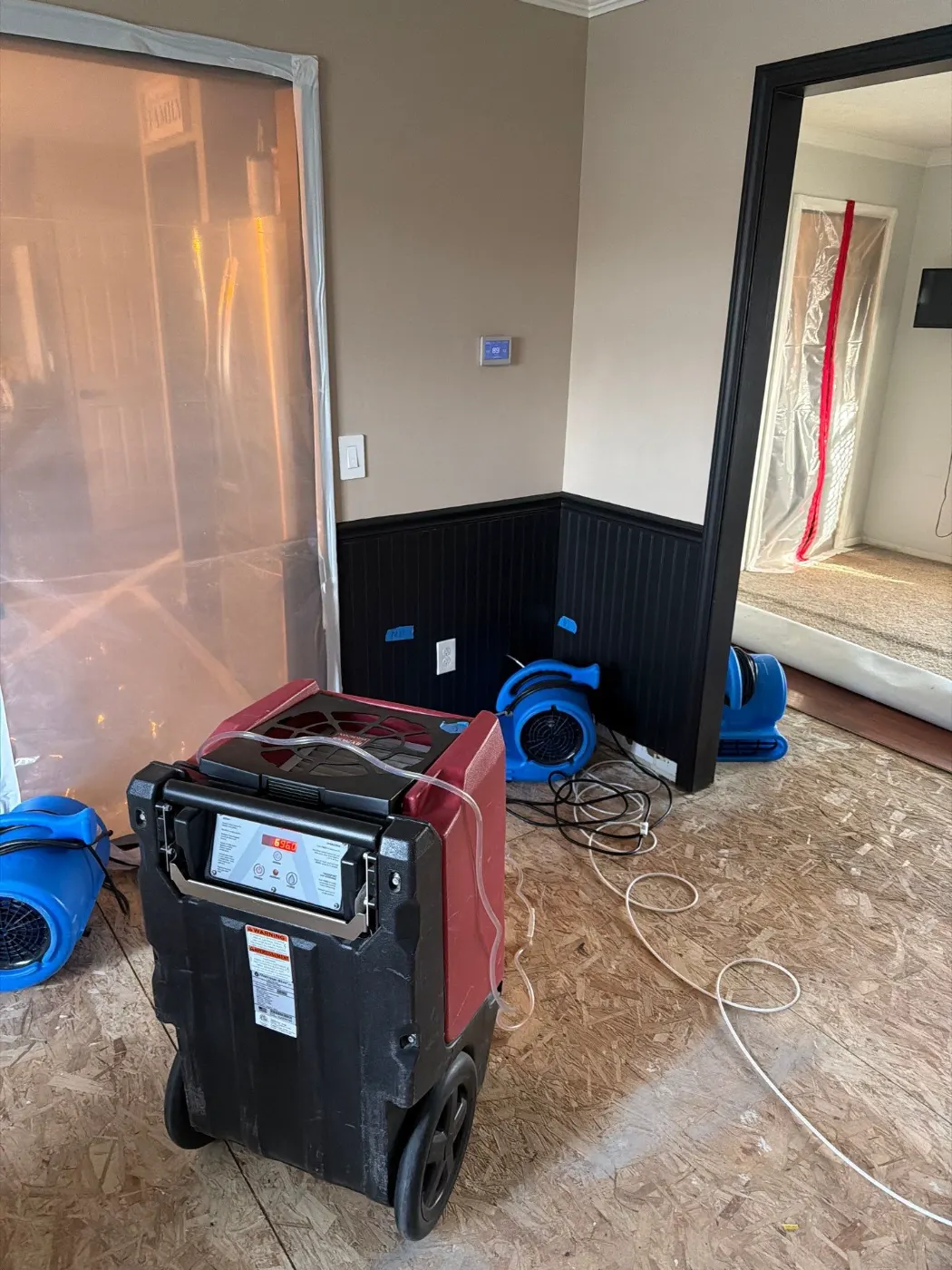
You do not need approval to start mitigation. You need to stop the water source, extract standing water, and begin drying. Most Foster Estates policies cover emergency mitigation up to a reasonable amount even before the claim is fully approved. Foster Estates Water Restoration responds 24 7 across central Indiana, typically arriving within 2 hours, and we bill insurance directly so you are not fronting thousands of dollars while the claim is processed. Keep receipts for anything you buy in the first 48 hours, including fans, tarps, and even hotel stays, because reasonable out of pocket mitigation costs are usually reimbursable.
Frequently Asked Questions
Will my Foster Estates homeowners policy cover a burst pipe?
Yes, in almost every case. A sudden pipe burst is the textbook covered loss. Foster Estates Water Restoration can document the source, dry the structure, and submit photos and moisture readings that line up with what your adjuster needs.
Does insurance cover mold after water damage?
Sometimes. If the mold grew from a covered water loss that was reported and addressed quickly, most policies cover remediation up to a sublimit (often one thousand to ten thousand dollars). Mold from a slow, ignored leak is usually excluded.
How long do I have to file a water damage claim in Foster Estates?
Most Indiana carriers require prompt notice, which typically means within a few days. Waiting weeks gives the insurer grounds to argue you made the damage worse. Call your carrier the same day you discover the loss.
Can I pick my own restoration company or do I have to use the insurance referral?
You can pick whoever you want as long as they are licensed and qualified. Foster Estates Water Restoration is IICRC Certified and BBB A+ accredited, and we work directly with your adjuster so you are not stuck managing the paperwork.
What if the water damage in my Foster Estates home is from flooding outside?
Standard homeowners policies exclude external flooding. You would need a separate flood policy through NFIP or a private carrier. We can still help with the cleanup and provide documentation for any flood claim you do have in place.
Have a restoration question?
Our IICRC certified Foster Estates crew is ready to help. Free assessments, estimate based on what we can sees, no pressure.